Editorial
A list isn't a reading
On Saturday the 17th, the list of the wines representing the 2026 Vintage went around the country in an hour. This issue arrives three days later, and the delay is on purpose.
Hundreds of people in Bento Gonçalves found out, all at once, which wines represent the year. Right after that, the list was everywhere, copied, pasted and with the same photo.
A list tells you who. It doesn't tell you what that means for someone standing in front of a supermarket shelf with sixty reais in their pocket. No. 1 promised to answer that question, and the answer is on pages 3 and 4: what came out, from where, in what style, and what you can take home from it today (not much) and a year from now (plenty).
There's a rule in the tasting's regulations that most headlines will ignore: the sixteen may not be promoted as the best of the Avaliação Nacional (Brazil's National Wine Evaluation). They're the vintage's representatives, and the difference is in the strikethrough on page 6. The house follows the regulations even when they get in the way of the headline.
So much has changed on the site since September that it took three pages of the magazine to tell it. The ballot box retired after Round No. 2 and made way for the Table Ranking, where nobody has to vote: if you liked it, you cheered. The search now knows more than 50,000 labels and can read a photo of one. Carta de Vinho, our restaurant wine lists, started with Rio. And the site learned English and European Portuguese. It's all on pages 9 to 11, sorted by what you want to do.
No. 3 comes out on November 20, the day after Beaujolais Nouveau, already eyeing the bottle for the holidays.
It happened · the result
The 16 that tell the story of the 2026 Vintage
October 17, Bento Gonçalves: the seal broke in front of hundreds of people, with sixteen wines tasted right there, blind.
The sixteen came from the top-rated 30% of each category, by the median of the panel's scores, with at most one sample per company. That's why no winery shows up twice, and why a white and a red never competed for the same spot.
| Grape · style | Winery | City | On Vinhozinho | |
|---|---|---|---|---|
| 1 | Chardonnay and Pinot NoirSparkling base wine | Casa Valduga | Bento Gonçalves (RS) | has a page |
| 2 | Chardonnay and Pinot NoirSparkling base wine | Vinícola Geisse | Pinto Bandeira (RS) | has a page |
| 3 | Chenin BlancNon-aromatic white | Cooperativa Vinícola São João | Farroupilha (RS) | |
| 4 | ChardonnayNon-aromatic white | Nova Aliança | Flores da Cunha (RS) | |
| 5 | Sauvignon BlancAromatic white | Quinta da Neve | São Joaquim (SC) | |
| 6 | Moscato GialloAromatic white | Vinícola Giacomin | Flores da Cunha (RS) | |
| 7 | Cabernet SauvignonRosé | Cerro de Pedra | Pinheiro Machado (RS) | |
| 8 | Pinot NoirYoung red | Cooperativa Vinícola Aurora | Bento Gonçalves (RS) | has a page |
| 9 | Cabernet SauvignonYoung red | Maison Forestier | Garibaldi (RS) | |
| 10 | MarselanRed | Vinícola Mioranza | Flores da Cunha (RS) | has a page |
| 11 | ReboRed | Vinícola Campestre | Campestre da Serra (RS) | |
| 12 | TeroldegoRed | Vinícola Don Guerino | Alto Feliz (RS) | has a page |
| 13 | Cabernet SauvignonRed | Vinícola Miolo | Bento Gonçalves (RS) | has a page |
| 14 | Syrah, Marselan and Cabernet FrancRed | Villa Triacca | Brasília (DF) | |
| 15 | TannatRed | Batalha | Candiota (RS) | has a page |
| 16 | TannatRed | Vinhos Larentis | Bento Gonçalves (RS) | has a page |
Nine of the sixteen are reds, and the list includes a grape few people know by name: Rebo, an Italian cross of Merlot and Teroldego. The first two aren't even sparkling yet: they're base wine, the still wine that becomes sparkling in its second fermentation. Eight of the sixteen wineries already have a Vinhozinho page, for other labels; the sample tasted in Bento doesn't.
Sources: Associação Brasileira de Enologia, results of the 34th Avaliação Nacional de Vinhos (October 17, 2026) · Regulations of the 34th Avaliação Nacional de Vinhos (2026) · Label database at vinhozinho.com.br, checked on October 18, 2026.
The reading · what changes
What changes on your shelf
Three questions the list doesn't answer, worked out with the list in hand.
1 · Where did the vintage come from?
Eleven of the sixteen wineries are from Serra Gaúcha. The other five come from Serra do Sudeste (Pinheiro Machado), Campanha Gaúcha (Candiota), Campos de Cima da Serra, Serra Catarinense (São Joaquim) and Brasília. The bigger news is one step down. Among the 191 wines in the most representative 30%, for the first time there are eight states plus the Federal District: besides Rio Grande do Sul (167), São Paulo (7), Santa Catarina and the Federal District (4 each), Bahia (3), Goiás and Minas Gerais (2 each), Paraná and Rio de Janeiro (1 each).
2 · Which style did Brazil do well in this year?
Reds took up more than half the list. But the scoreboard here isn't a championship: each category competes only with itself, under the 30% rule on the previous page.
3 · What can you find today, and what only a year from now?
Today: the same grape from the same winery, on a label that already has a Vinhozinho page: Don Guerino's Teroldego, Larentis's Tannat and Batalha's, Aurora's Pinot Noir, Miolo's Cabernet Sauvignon, Casa Valduga's Chardonnay, Geisse's Nature. It isn't the wine tasted in Bento, it's the winery that made it. The bottled 2026 Vintage arrives bit by bit; once it's on the shelf, the Garimpo tastes it and tells you the price.
Sources: Associação Brasileira de Enologia, results of the 34th Avaliação Nacional de Vinhos (October 17, 2026) · Label database at vinhozinho.com.br, checked on October 18, 2026.
In the glass
Chilled red isn't heresy
The rule of serving red “at room temperature” was written somewhere the room was at sixteen degrees Celsius. In Brazil, in October, it gets close to thirty.
“Room temperature” is old European advice. The room it's talking about is an old cellar, between 14 and 18 °C all year round. Brought into a Brazilian living room in October, the same phrase has you serve the red warm, and then the alcohol pushes ahead of the fruit and the wine seems heavier than it is.
The house's yardstick is the one in Guide No. 9, and it fits what Decanter, the Comité Champagne and Embrapa say. In the glass, wine warms up fast: a red served at 18 °C hits 22 in no time. When in doubt, err on the cold side.
The one that gains most from the fridge is the light red: Pinot Noir, Gamay (the Beaujolais Nouveau grape, which arrives in November), Corvina, a young Merlot. Twenty minutes in the fridge does it. If you're in a hurry, Guide No. 16 teaches the bucket with water, ice and salt, which takes a bottle from 24 °C to 3 °C in just over half an hour.
Sources: Guide No. 9 and Guide No. 16 from vinhozinho.com.br · Decanter · Comité Champagne · Embrapa · Cook’s Illustrated.
Coming up
Mark your calendar
- OCT 23Champagne Day
Fourth Friday of October. An excuse to open a sparkling wine; the Brazilian one made by the same method is in Guide No. 12.
- NOV 7International Merlot Day
The grape Brazil does well and forgets to mention.
- NOV 11São Martinho (St. Martin's Day), in Portugal
Roast chestnuts and new wine tasted for the first time.
- NOV 12International Tempranillo Day
Second Thursday of November. The grape of Rioja and, under another name, of the Douro: Tinta Roriz.
- NOV 19Beaujolais Nouveau
Third Thursday of November, released at midnight, in each country's time zone. A light Gamay red, served cool: page 5 in bottle form.
- NOV 20Contrarrótulo No. 3
People on the email list get it on the 19th, before the site.
And until December 6 the Alba White Truffle Fair carries on every Saturday and Sunday, in Piedmont.
This month's strikethrough
“Voted the best wine in Brazil”
→ representative of the vintage
The sixteen can't be promoted as the best of the Avaliação Nacional, and what forbids it is the tasting's own rulebook: they were chosen to represent the vintage, each one within its own category. The Avaliação isn't a competition, hands out no medals and builds no podium. When an ad sells one of them as “the best in Brazil,” it's saying something the tasting never said.
How to check in ten seconds: look for “representativo” (representative) next to “Safra 2026” (2026 Vintage). A medal on the bottle is another story, from a different tasting: it's worth asking which competition it came from.
Sources: Regulations of the 34th Avaliação Nacional de Vinhos (2026) · Discover Beaujolais · Comité Champagne · WSET · Fiera Internazionale del Tartufo Bianco d’Alba.
From the ballot box
Round No. 2 closed, and an Argentinian came out on top again
Supermarket white up to R$ 50, voted on by people who pay for their own bottle. Never by an advertiser.
Two rounds, two Argentinians on top. In the red round it was two Malbecs, with a Brazilian blend tied for second place; in the white round, a grape almost nobody asks for by name, Torrontés, aromatic, all flowers and white fruit, which made it to the ballot box on a reader's recommendation. The table found what the shelf doesn't advertise. The other labels fell behind, and the full scoreboard is on the Rankings page.
The ballot box retires.
In comes the Table Ranking.
The ballot box taught us that voting is a chore and cheering isn't. Starting in October, the Rankings page builds itself: the bottles the table opened and the house's garimpos, ranked by the cheers they got that month. Nobody votes; if you liked it, you cheered. It resets on the 1st of every month. Spots still aren't for sale: one cheer per person, and another click takes it back.
From the table · and the Garimpo
Opened it, showed it
Open Bottle got its first photos from the table in September, and more came in October. Taken at home, the way wine actually gets drunk: no studio and no posing.
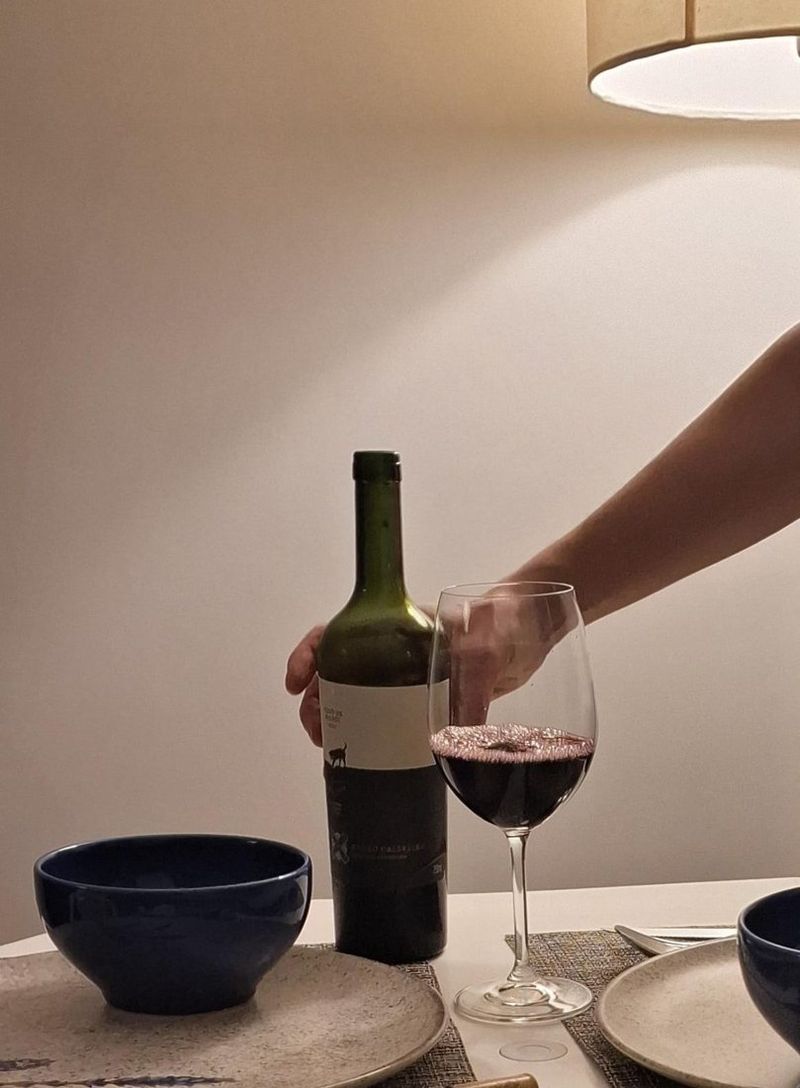
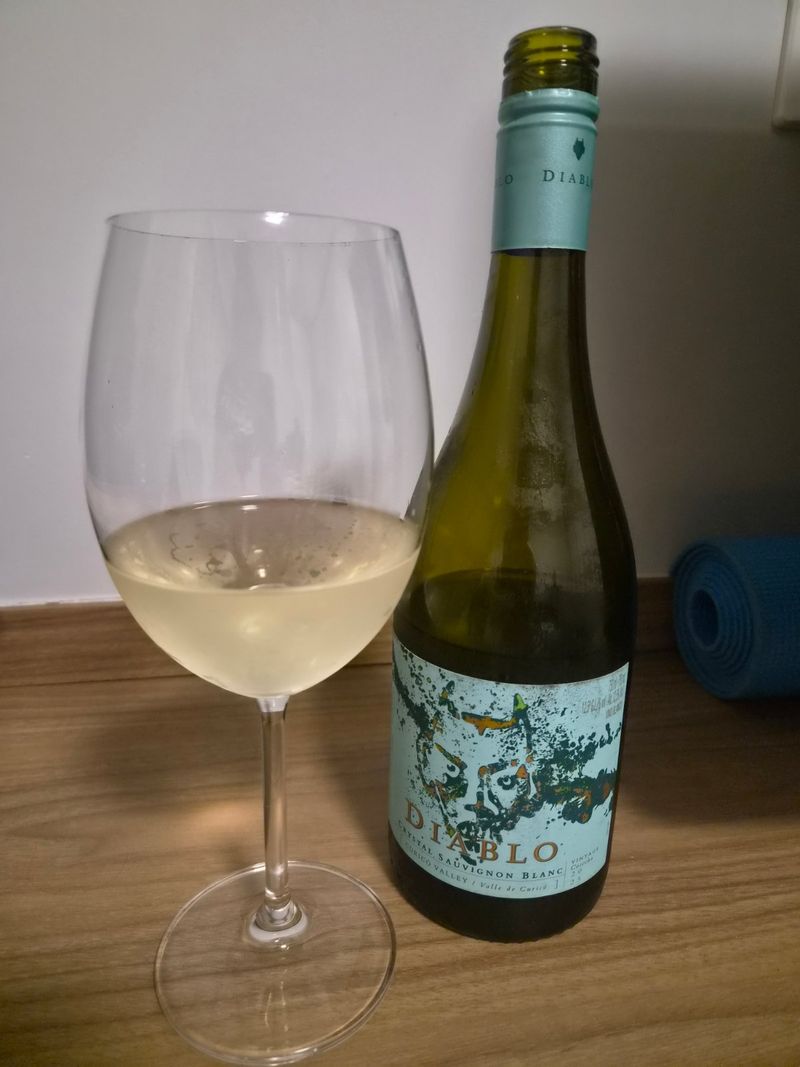
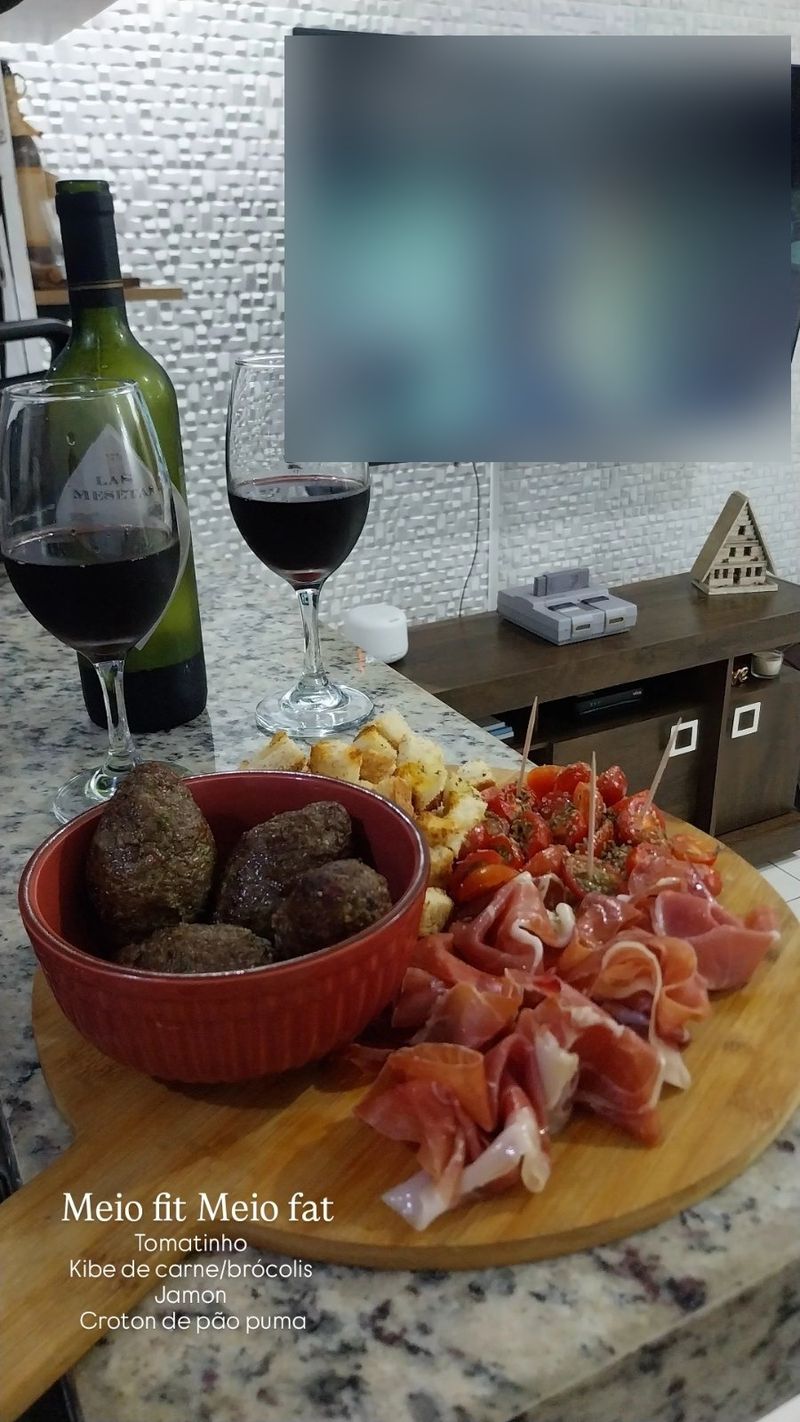
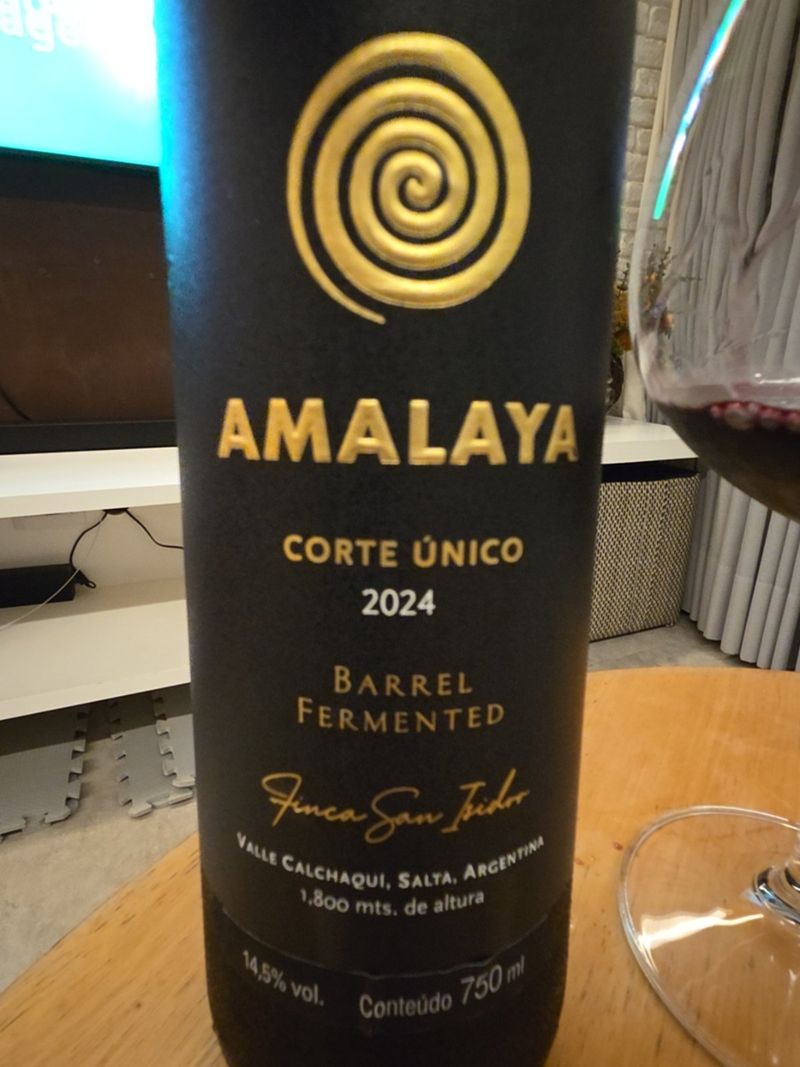
Also at the table, without a photo, are two bottles recommended through the Rankings form: Portada Tinto (Fabi) and Benjamin Malbec (Js-Jardy).
The house drank and stamped
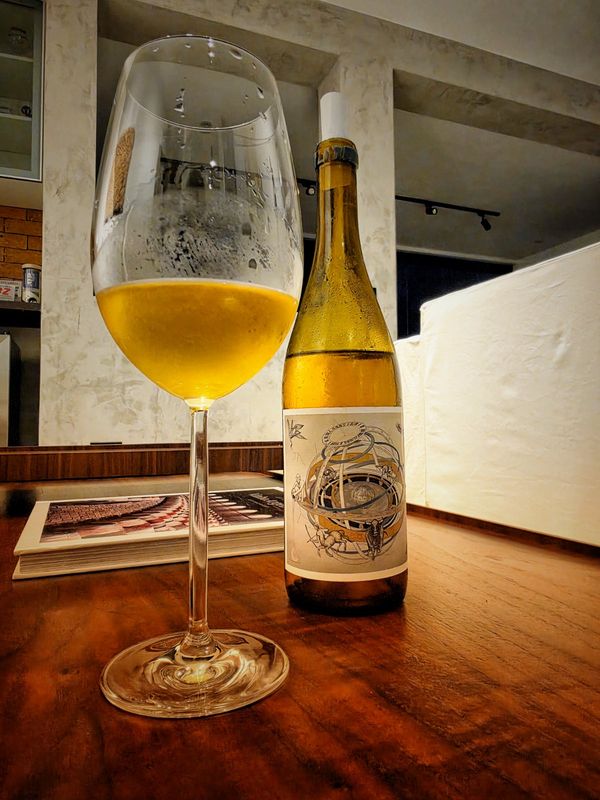
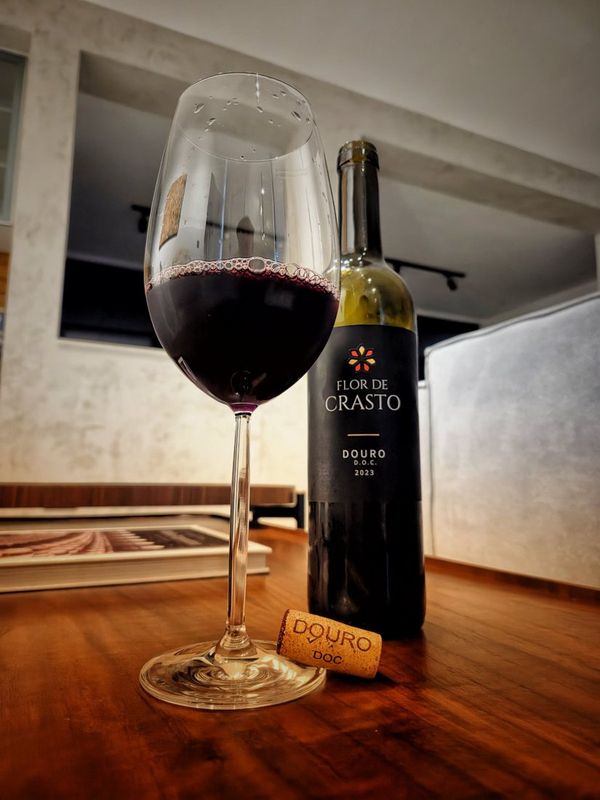
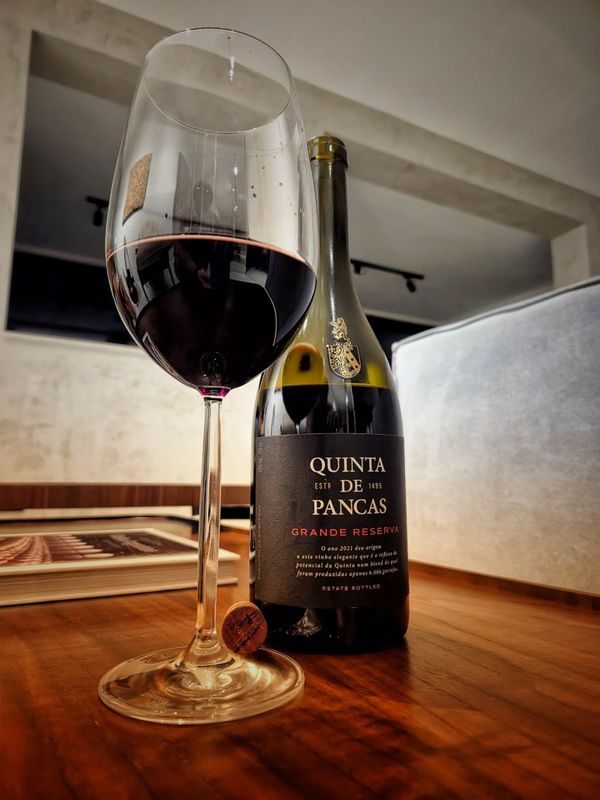
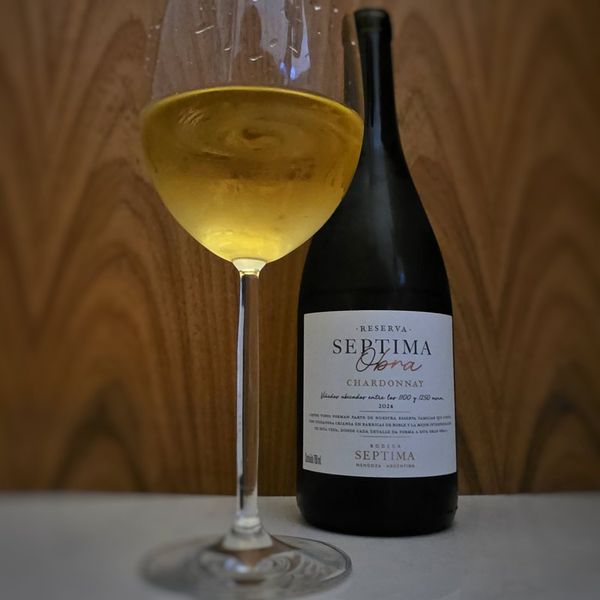
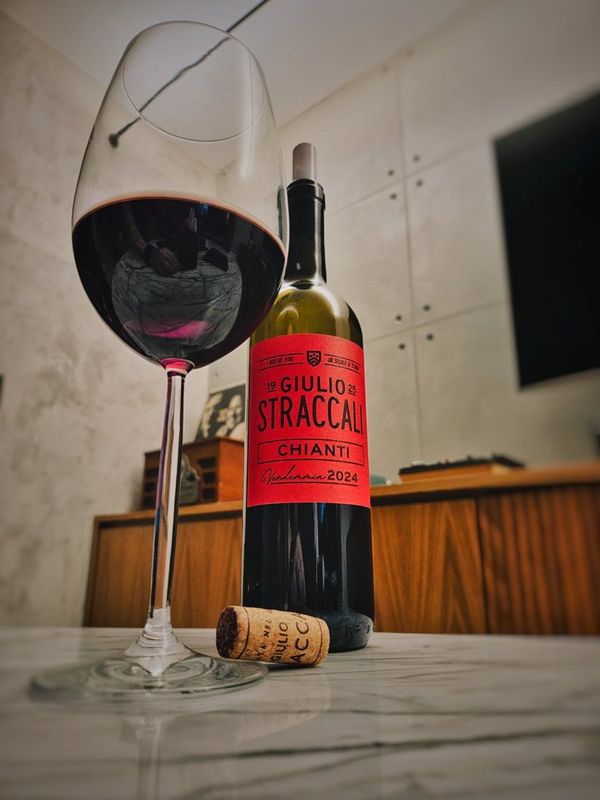
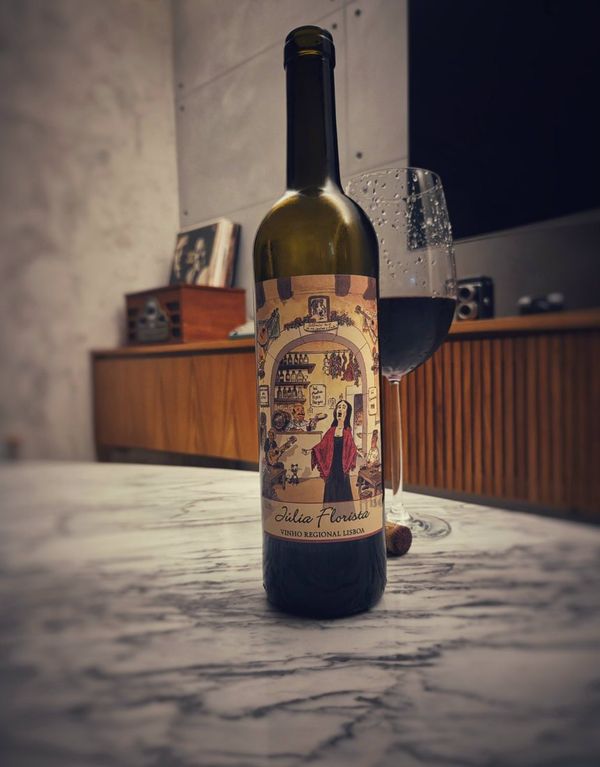
Photos from the house and the table, published in the Garimpo and on Open Bottle. Price ranges checked in a store or online shop between September 16 and October 12, 2026.
The house under construction · 1 of 3
new in this issue
Snap the label.
The house reads it.
Bottle in hand and a strange name? Instead of typing, point the camera. The house reads the label, finds the wine among the 50,000 in the search and opens its page. Four steps; all it asks for is your cellar, which is free.
Point the camera
In the wine search, tap “Foto do rótulo” (photo of the label). A photo from your gallery works too. On your phone, the “What wine is this?” shortcut opens with the camera ready.
The house reads the label
In seconds: winery, name, grape, vintage, country. The reading shows up as “We read on the label: …”, so you can check it before moving on. That's ten readings a day, per person.
The search finds the wine
The reading turns into a search across the 50,000 labels. The card says “This is it”, “It may be this one” or “From the same winery, the house has these” and opens the wine page: price range, community rating, the house's one-liner, similar wines.
Not there? In it goes
Tap “Let me know when it comes in”: the label goes into the house's checking queue and you get an email the day it arrives. Or “I opened this one”, and the photo goes straight into your post on Open Bottle, ready to go.
Where to find it
vinhozinho.com.br/busca-vinhos, the button below the search box. In your cellar, the “Photo of the label” in “I opened a bottle”.
What the house keeps
Only the name of the wine it read, without the photo and without your name. The photo goes out only to be read and isn't kept.
It happened
loren.rezende's Las Mesetas Merlot (page 8) wasn't in the search. It went in the same day.
The house under construction · 2 of 3
Everything that's launched since September
It didn't fit in half a page, the way it did in No. 1. The house sorted it by what you want to do. All free, most of it without signing up.
I want to find a wine
- The search knows more than 50,000 labels and understands the whole sentence: “tinto até 80 pra churrasco” (a red up to R$ 80 for a barbecue), “vinho de presente pra quem entende, até 400” (a gift for someone who knows wine, up to R$ 400). Made a typo? It fixes it and tells you; when in doubt, it asks: “Você quis dizer…?” (Did you mean…?)
- Photo of the label: the step by step is on page 9.
- Every wine has its own page, with the public average and the community rating next to it; on the house's curated labels, also “Is the price right?”, so you can say whether you found it pricier or cheaper.
- Compare side by side: up to three wines in one table, no winner.
- Gift a Wine: say who it's for, how much they know and how much you want to spend; the house picks the bottle and writes the card.
- “Let me know when it comes in”: a photographed label the search doesn't have yet turns into an email alert the day it arrives.
I'm eating out
- Carta de Vinho, starting with Rio: 12 wine lists at 13 addresses, more than a thousand labels, each restaurant's whole list, from the most affordable to the most expensive, with search by neighborhood, grape and price.
- Only lists published by the restaurant itself, in alphabetical order: nobody pays to be at the front.
- A number only the Carta shows: at the table, a bottle costs a median of one and a half times the store price range.
The house under construction · 3 of 3
And there's more
I opened a bottle
- My Cellar became a diary: a shelf, milestones, a recap to share and the passport with a stamp for each level.
- Cheers and À mesa (the table talk): cheers for a bottle, a garimpo or a comment; a conversation under every Open Bottle post.
- Alerts: when someone replies to you, comments on your bottle or cheers your wine, you get an email, and on your phone too. Each kind of alert has its own off switch.
- The cellar becomes an app: “Install Vinhozinho” (on iPhone, “Add to Home Screen”) and that's it, no app store.
I want to learn
- The Guide went from 6 to 16 parts, with the questions that most often end up on Google, and two practical ones: opening the bottle (and the sparkling) and chilling it fast.
- Level 2: 12 grapes and 10 regions, each with the house's ink drawing.
- A glossary with 100 terms and the build-your-own Pocket Guide: pick your 20 and download the PDF.
- Grape of the week: every Monday, one grape, three wines to start with and one word from the glossary; the past weeks stay on file.
- Taça em Tela (wine on screen): 19 films, documentaries and series to watch with a glass in hand.
- Trips: Itineraries No. 8 and No. 9, Chapada Diamantina and São Roque.
I want to play
- Label of the Day: one label a day to guess, with a streak and a challenge to send a friend.
- Your Palate: the quiz that tells you where to start.
- Festinha: the party calculator, how many bottles for how many people.
For those who make it and those who serve it
- “Are you this wine's producer?”: the field on the wine page for the winery to send its official data. The yardstick is the same one that brought in the 15 wines from Peruzzo, in Bagé: the producer's page counts for more than the store's.
- “Is this your restaurant?”: the same on the Carta, to correct it, send the new list or take it down.
Only for readers
This issue's comic strip

Every Contrarrótulo brings a house comic strip that doesn't go on Instagram. It's a treat for the magazine's readers. The Sunday series carries on at @vinhozinho, with its own numbering; this one has its own and stays only in here.
“Representing the vintage
isn't beating anyone.”
Contrarrótulo No. 2 · October 2026
Content for adults 18+ · Drink responsibly
A vinhozinho.com.br publication, bottled without hurry by Nada S/A
More Wine · Less Fuss · Making wine simple since 2012 · Brazil