Taça em Tela · wine on screen
Films about wine: 19 to watch with a glass in hand
Here are 19 films, documentaries and series where wine is one of the characters. For each one: what it teaches, no fuss, and a house bottle to open while you watch, with its price range checked. No spoilers.
The 19 at a glance
- 1Sidewaysfilm · 2004
- 2Bottle Shockfilm · 2008
- 3Sommdocumentary · 2012
- 4Drops of Godseries · 2023
- 5Back to Burgundyfilm · 2017
- 6Mondovinodocumentary · 2004
- 7A Good Yearfilm · 2006
- 8Sour Grapesdocumentary · 2016
- 9A Walk in the Cloudsfilm · 1995
- 10Red Obsessiondocumentary · 2013
- 11Uncorkedfilm · 2020
- 12Babette’s Feastfilm · 1987
- 13El Camino del Vinofilm · 2010
- 14A Ferreirinhaseries · 2004
- 15A Year in Portdocumentary · 2016
- 16Legado Italianodocumentary · 2020
- 17A Year in Champagnedocumentary · 2014
- 18Somm: Into the Bottledocumentary · 2015
- 19Another Round (Druk)film · 2020
No. 1 · Film · 2004
Sideways
Two friends spend a week touring California’s wineries before a wedding. Miles, the one who knows wine, worships Pinot Noir and refuses, at the top of his lungs, to drink Merlot. It’s a comedy, it’s melancholy, and it’s the most famous wine movie there is: it won the Oscar for best adapted screenplay.
What it teaches: that taste in wine follows fashion. Economists measured the film’s effect in the United States: Merlot sales started growing more slowly, and Pinot Noir sales rose sharply. And there’s the joke few people catch: Miles’s most treasured bottle, a 1961 Château Cheval Blanc, is a blend of Cabernet Franc and Merlot. The house lesson works both ways: liked it? Go ahead. Meet Pinot Noir and Merlot.
- Leyda Pinot Noir (Reserva)Miles’s grape, from a cool valley near the sea, in Chile.
- Pizzato Fausto MerlotAnd a Merlot from the Vale dos Vinhedos, where it’s the signature grape of the reds of Brazil’s first Denomination of Origin. Just to spite Miles.
No. 2 · Film · 2008
Bottle Shock
Paris, May 24, 1976. An English wine merchant, played by Alan Rickman, sets up a blind tasting: French judges against bottles from California, which nobody took seriously. The film tells the story from the underdogs’ side, the Chateau Montelena winery. It’s based on real events, with the liberties every movie takes.
What it teaches: that the label weighs on what’s in the glass. Without seeing the bottles, the judges gave first place to a Chardonnay and a Cabernet Sauvignon from California; the bottle of the winning Chardonnay is now in a museum, the Smithsonian, in Washington. Blind tasting is still the most honest way to taste wine, and you can do it at home. Meet Chardonnay.
- Miolo Reserva ChardonnayThe Brazilian Chardonnay, from the pampa of southern Brazil.
- Errazuriz Estate Reserva ChardonnayThe Chilean Chardonnay, from the Aconcagua Valley.
Both in the same price range. Someone pours them into identical glasses without showing the bottle; everyone else gives a score. Only then does the bottle come out.
No. 3 · Documentary · 2012
Somm
Four friends study for years for the Master Sommelier exam, one of the hardest in the wine world: since 1969, about 300 people worldwide have passed. The most famous part is tasting six wines blind in 25 minutes and saying out loud the grape, the region and the vintage of each one.
What it teaches: how a sommelier trains their nose, with the smell of everything, from fruit to wet earth. And, for the rest of us, a relief: nobody needs any of this to enjoy wine. The house crossed out the sommelier-speak and keeps the good part: paying attention to what’s in the glass.
- Concha y Toro Reservado CarmenèreChilean Carmenère.
- Santa Rita (3) Tres Medallas MerlotChilean Merlot.
In Chile, Carmenère was planted as if it were Merlot, until in 1994 a French expert, Jean-Michel Boursiquot, cleared up the mix-up. Serve the two blind and try to tell which is which. The whole story is on the Carmenère page.
No. 4 · Series · 2023
Drops of God
The creator of a famous wine guide dies in Tokyo and leaves the collection experts call the greatest in the world to whoever wins three tasting contests: his French daughter, who hadn’t seen him since she was a child, or his Japanese protégé. Spoken in French, Japanese and English, it won the International Emmy for best drama series in 2024; season 2 came out in 2026.
What it teaches: that describing wine can be about memories, not hard words. In the series, a sip turns into a place, a scene, a childhood smell. It’s the same idea as our Your Palate: you’re the jury.
- Casa Ferreirinha Papa Figos DouroA red from the Douro, in Portugal. Taste it with your eyes closed and say what it reminds you of, not what it "should" have.
No. 5 · Film · 2017
Back to Burgundy
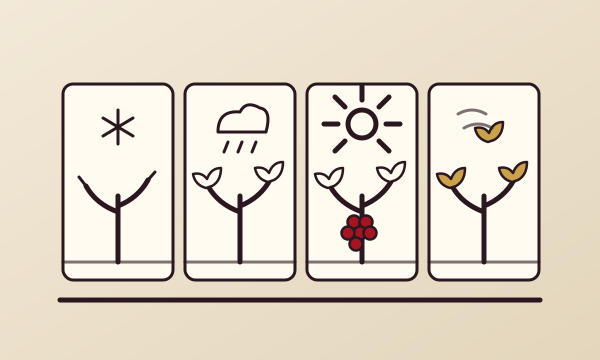
Three siblings reunite at the family vineyard in Burgundy when their father is dying, and have to decide what to do with the land and with themselves. The film was shot over a full year, through all four seasons, with a real harvest.
What it teaches: the wine year, from pruning to harvest, and the decisions nobody sees on the label, like tasting the grapes on the vine to choose the day to pick, and treading the grapes in the vat. Burgundy is the home of Pinot Noir and Chardonnay.
- Casa Valduga Leopoldina Gran ChardonnayChardonnay, Burgundy’s white grape, made in the Serra Gaúcha.
- Miolo Reserva Pinot NoirAnd Pinot Noir, the red grape from over there, made in the pampa of southern Brazil.
No. 6 · Documentary · 2004
Mondovino
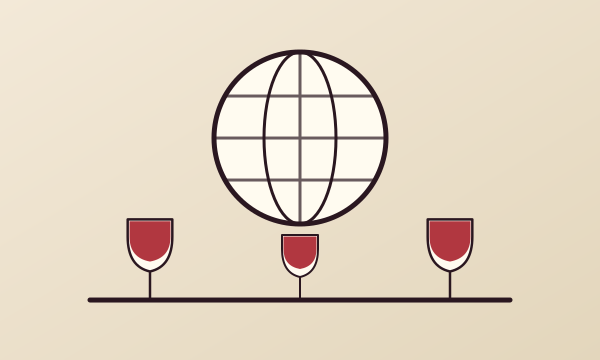
A trip around the wine world in the early 2000s with an uncomfortable question: why is so much wine, expensive or cheap, starting to taste the same? On one side, the most powerful critic of the time, Robert Parker, and the consultant Michel Rolland; on the other, small producers who don’t want to change the way they’ve always done things. It competed for the Palme d’Or at Cannes, a rare thing for a documentary.
What it teaches: what terroir is and why so many people fight over it: the idea that a wine should taste of the place it comes from, not of a recipe that pleases the critic. And Brazil is in it: the film stops in the Vale do São Francisco, in Pernambuco, which has its own itinerary here at the house.
- Cartuxa EA TintoAn Alentejo red made with Castelão and Trincadeira, two grapes with Portuguese names. It tastes of a place.
No. 7 · Film · 2006
A Good Year
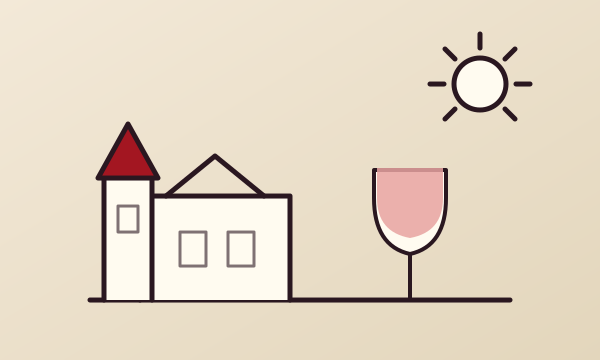
A London banker inherits his uncle’s château in Provence, in the south of France, and goes there only to sell it. Then come the sun, the childhood memories and a mystery: an extremely rare wine, made in tiny quantities, that nobody knows the source of.
What it teaches: that there’s such a thing as "garage wine": tiny production, outside the system of the big châteaux, that is sometimes worth more than the famous ones. And that the real Provence lives on rosé: in the region’s appellations, almost 9 out of 10 bottles are rosé.
- Miolo Seleção Cabernet Sauvignon-Tempranillo RoséA Brazilian rosé, from the Campanha Gaúcha, to get into the mood.
No. 8 · Documentary · 2016
Sour Grapes
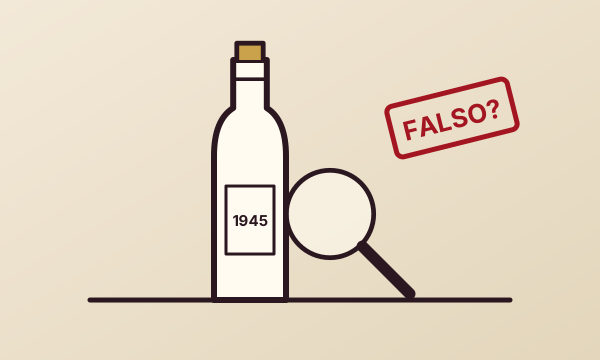
The true story of the collector who fooled the world’s biggest buyers of rare wine. Rudy Kurniawan sold old, extremely rare bottles, many from Burgundy, at auctions and directly to wealthy collectors; a good share of them were fake, put together at his home in California with cheaper wine and fake corks and labels. He was arrested in 2012 and sentenced to 10 years in prison.
What it teaches: to read a label with a detective’s eye. One of the people who helped expose the scam was a Burgundy producer, Laurent Ponsot: in 2008, he got a New York auction to pull bottles of his family’s Clos Saint-Denis from the 1945 to 1971 vintages, when the domaine only started making that wine in 1982. Producer, vintage, lot: it’s all on the label. Guide No. 1 teaches you how to read it.
Any bottle you have at home, with the back label in hand: producer, importer, vintage and lot. After this film, nobody reads a label the same way again.
No. 9 · Film · 1995
A Walk in the Clouds
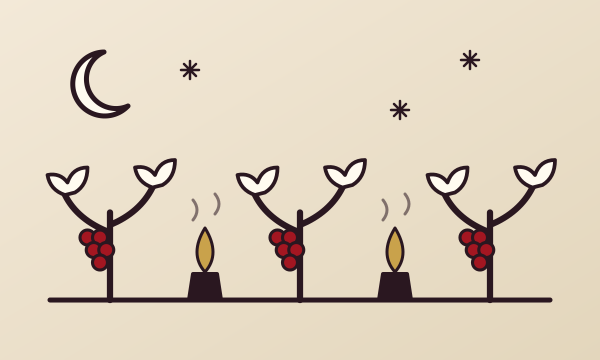
1945. A soldier back from the war helps a young woman stand up to her family, Mexican-American owners of a vineyard in the Napa Valley, in California. It’s a ’90s romance, and not the least bit ashamed of it.
What it teaches: two scenes make it worth watching. The night of the frost, when the family lights burners between the vines and fans the heat down around the bunches to save the grapes; and the grape treading by foot at the harvest festival. In Brazil, the harvest turns into a party too: the Festa Nacional da Uva (National Grape Festival), in Caxias do Sul, has been held since 1931 and usually takes place every two years, between February and March. Meet the Serra Gaúcha.
- Garibaldi MoscatelSparkling moscatel from the Serra Gaúcha, light and sweetish, with a harvest-festival feel.
No. 10 · Documentary · 2013
Red Obsession
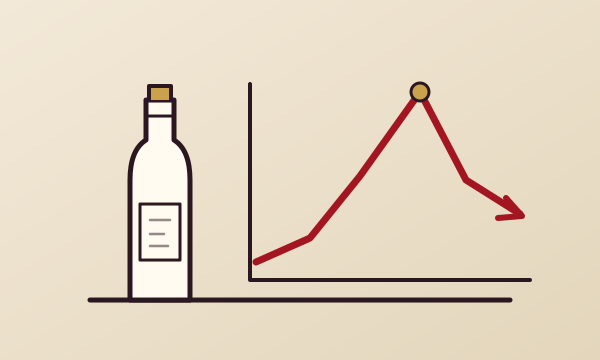
How Bordeaux, the region behind the world’s most sought-after wines, became a craze in China in the early 2010s: the crew filmed the advance sale of the 2010 vintage at the great châteaux, with bottles changing hands like stocks, prices climbing nonstop, and then the fall.
What it teaches: what the Bordeaux blend is (Merlot, which covers two-thirds of Bordeaux’s red vineyards, Cabernet Sauvignon and company) and why the price of a bottle sometimes says more about the market than about what’s in the glass. Meet Cabernet Sauvignon.
- AlmavivaTo splurge: born in 1997 from a partnership between Chile’s Concha y Toro and the Rothschild family company that makes Château Mouton Rothschild, in Bordeaux.
- Miolo Seleção Cabernet Sauvignon-MerlotFor every day: Cabernet with Merlot, the two most planted red grapes in Bordeaux, in a blend from southern Brazil.
No. 11 · Film · 2020
Uncorked
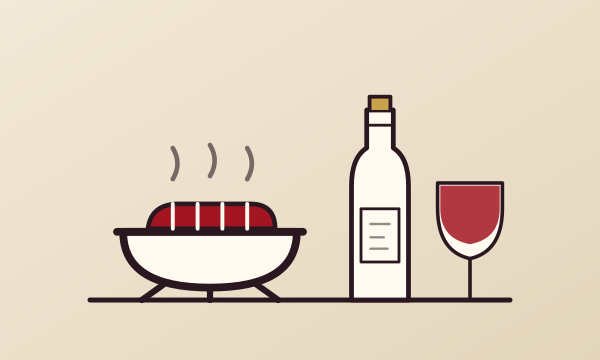
Elijah works at his family’s barbecue restaurant in Memphis and dreams of becoming a Master Sommelier. His father wants him to take over the business. A film about a father and a son, with wine and smoked ribs in the middle.
What it teaches: that wine and barbecue aren’t separate worlds, and that a sommelier can come from anywhere. One of the film’s wine consultants is DLynn Proctor, one of the four candidates in Somm, No. 3 on this list. For a churrasco here in Brazil, the house even has a calculator: the Festinha tells you how many bottles to buy.
- Trapiche Roble MalbecArgentine Malbec, a barbecue partner that needs no introduction.
No. 12 · Film · 1987
Babette’s Feast
Denmark, 19th century. Two sisters, daughters of a strict Lutheran pastor, get a cook: Babette, a Parisian who arrives in the village and offers to work in their home. Many years later, she wins a lottery prize and offers to cook a French dinner for the pastor’s hundredth birthday. It won the Oscar for best foreign-language film.
What it teaches: that a dinner can be a sequence of wines, one for each course. Amontillado, which is a Sherry, with the turtle soup; Veuve Clicquot Champagne with the blinis; a red from Burgundy, the Clos de Vougeot, with the quails; and cognac with the coffee. It’s not a rule, it’s a feast: pairing is a suggestion.
- Cave Geisse BrutFor the blinis: a traditional-method sparkling wine, made the same way as Champagne.
- Miolo Reserva Pinot NoirFor the quails: Pinot Noir, Burgundy’s red grape, here from the Campanha Gaúcha.
No. 13 · Film · 2010
El Camino del Vino

Charlie Arturaola, a real-life Uruguayan sommelier, arrives in Mendoza for a tasting at a fancy event and, before it begins, loses his palate. To get it back, he travels the province, from the big wineries to the harvest processions, surrounded by wine people playing themselves; the winemaker Michel Rolland prescribes "washing" his palate with the region’s best wines. It started out being shot as a documentary and turned into fiction. It screened at the 2011 Berlin Film Festival.
What it teaches: that even a famous sommelier depends on his nose and his mouth, and that wine is learned by tasting. And it shows Mendoza, which has 71.7% of Argentina’s vineyard area and where the most planted grape is Malbec (INV, 2025). Rolland, by the way, is the same consultant from Mondovino, also on this list. Meet Mendoza.
- Susana Balbo BriosoTo splurge: a red from Susana Balbo’s winery, one of the Mendoza producers who appear in the film.
- Trivento Reserve MalbecAnd a Malbec from Mendoza for every day.
No. 14 · Series · 2004
A Ferreirinha
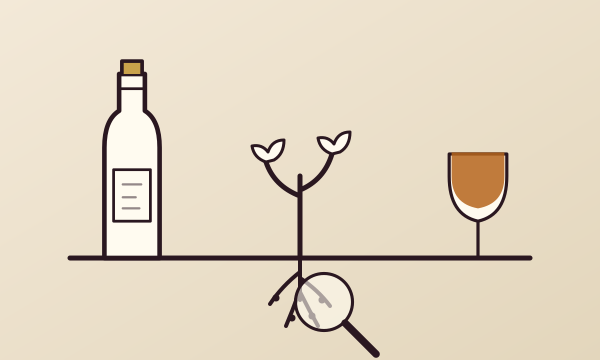
The life of Dona Antónia Adelaide Ferreira, the Ferreirinha, who was widowed at 33, took over the family business and became the biggest landowner in the Douro in the 19th century. Over 13 episodes, the Portuguese series brings together her fight for the vineyards and for Port wine, complete with a price battle against the English importers, and the forbidden love of the writer Camilo Castelo Branco and Ana Plácido.
What it teaches: the plague that changed the Douro. Phylloxera, an insect that eats the vine’s roots, arrived around 1863; for about two decades the region was abandoned, and many people emigrated, even to Brazil. The way out, which the series shows, was grafting the vine onto American rootstock, and the replanted Douro pushed east. Meet the Douro.
- Porto Ferreira Tawny PortA Tawny from Porto Ferreira, the Port brand that to this day presents itself as the heir to Dona Antónia’s legacy.
- Quinta do Vale Meão Meandro Douro TintoTo splurge: a red from Quinta do Vale Meão, her last and most important work, on virgin land bought at auction in 1877, in Vila Nova de Foz Côa. The estate is still with her descendants.
No. 15 · Documentary · 2016
A Year in Port
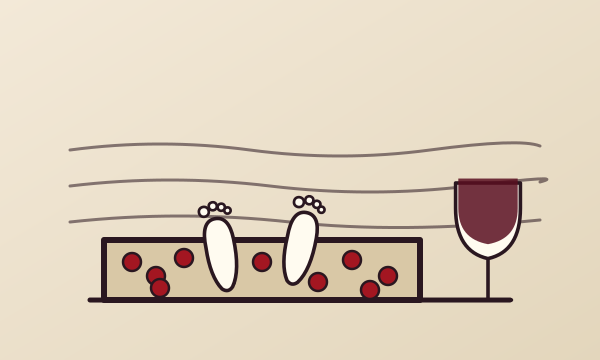
The importer Martine Saunier, a Frenchwoman settled in California, guides us through a year in the Douro Valley, from the spring buds to the harvest and to the cellar in winter. The film follows four Port wine houses, among them Taylor's, dating from 1692, and the producers betting on Douro wines that aren’t Port. And there’s a regatta of the Port houses on the river itself, which ends in a traffic jam.
What it teaches: what makes Port a fortified wine: in the middle of fermentation, grape spirit goes in, which stops the yeast and leaves the grape’s sugar in the wine; it usually ends up with 19% to 22% alcohol. That treading the grapes in the lagar is still the traditional method at many quintas. And that the Douro has had rules since 1756: it’s considered the first denomination of origin in the world. Meet the Douro.
- Taylor's Late Bottled Vintage PortAn LBV from Taylor's, one of the houses in the film: Port from a single harvest, bottled later than a Vintage and ready to open.
- Porca de Murça TintoAnd the other Douro, the red that isn’t Port, with the region’s native grapes in a blend, the way most reds from there are made.
No. 16 · Documentary · 2020
Legado Italiano
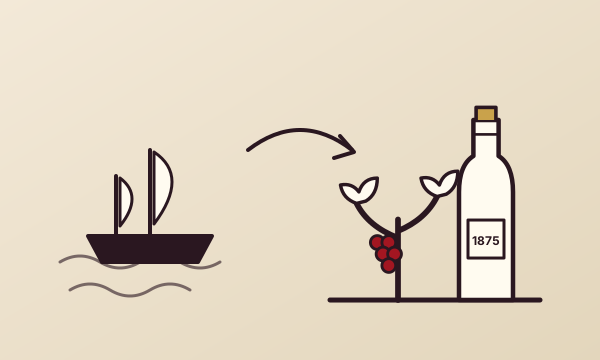
In 1875 the first families of Italian immigrants arrived in the Serra Gaúcha. Almost 150 years later, this documentary, shot in towns like Bento Gonçalves, Garibaldi and Farroupilha and in Trentino and Veneto, where most of the families came from, listens to more than 90 people. Through the voices of their descendants, it talks about faith, music, food and wine. It screened at the Trento Film Festival, in Italy, in 2021.
What it teaches: where the wine of southern Brazil comes from. The grape arrived here with the Portuguese, but it was with the Italian immigrants, in the second half of the 19th century, that the vine began to develop, and at first the wine was for their own families. From this land came, in 2002, the country’s first geographical indication, that of the Vale dos Vinhedos. Meet the Serra Gaúcha.
- Casa Valduga Raízes Gran CorteRaízes, from Casa Valduga, a family that arrived from northern Italy in 1875 and still makes wine on the same land today.
- Casa Perini Espumante MoscatelFrom Casa Perini, in Farroupilha: one of the towns in the film and Brazil’s biggest producer of moscatel grapes, where the family has made wine since 1929.
No. 17 · Documentary · 2014
A Year in Champagne
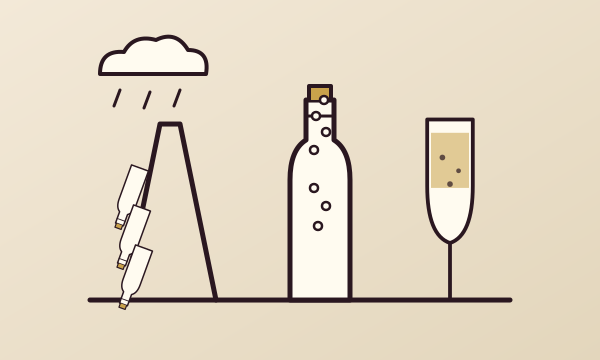
The second film in director David Kennard’s series with the importer Martine Saunier. A year in Champagne, in northeastern France, one of the northernmost wine regions in the world: the 2012 vintage starts out warm, in April, and soon turns to almost nonstop rain and cold; big houses, like Bollinger, and small family ones, like Diebolt-Vallois, keep their fingers crossed for the harvest. Then come the underground cellars, where the wine rests in the bottle.
What it teaches: where the bubbles in a traditional-method sparkling wine come from: the base wine goes through a second fermentation inside the bottle itself. And that the vintage matters: rain at the wrong time changes the whole year. In Brazil, the Altos de Pinto Bandeira Denomination of Origin, in the Serra Gaúcha, only accepts sparkling wine made this way.
- Casa Valduga Arte Tradicional Brut EspumanteTraditional method from the Serra Gaúcha: second fermentation in the bottle itself and 12 months on the lees, says Casa Valduga’s technical sheet.
- Cave Geisse Blanc de Blanc BrutFrom Pinto Bandeira, from a house that makes all its sparkling wines by the traditional method. Blanc de blancs: white grapes only.
No. 18 · Documentary · 2015
Somm: Into the Bottle
Familiar faces from Somm return, now to tell the story of wine from the inside, in ten chapters: from the producer to the harvest year, from the barrel to the price and the critics’ scores, and one on wine and war, with producers from Champagne and Alsace recalling the regions laid waste by the conflicts. In the film, extremely rare bottles are opened in front of the camera, like a 1969 Ruinart Champagne.
What it teaches: why two bottles of the same grape can be so different: the harvest year (the vintage), the wood (the barrel) and the time in the bottle. And there’s a good behind-the-scenes story: Aubert de Villaine, of Romanée-Conti, agreed to open for the film a 2004 Échezeaux, a difficult year, on one condition: that the film wouldn’t be another Mondovino.
- Santa Helena Reservado Cabernet SauvignonThe more affordable one.
- Marques de Casa Concha Cabernet SauvignonThe more expensive one.
Two Chilean Cabernet Sauvignons, in very different price ranges. Someone pours them blind, in identical glasses; you choose the one you prefer and only then see the bottle. If you pick the cheaper one, great: your palate just saved you some money.
No. 19 · Film · 2020
Another Round (Druk)
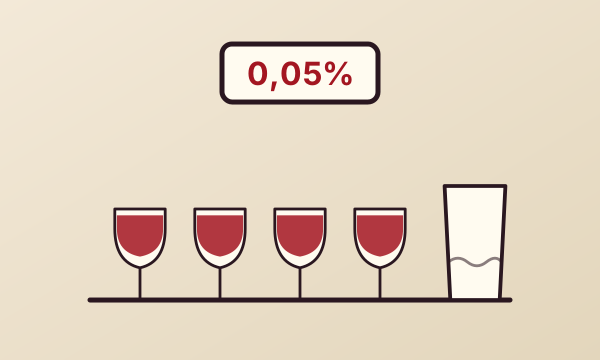
Four worn-out teachers decide to test a theory: that humans are born with a blood alcohol level 0.05% too low, and that drinking a little every day would make life lighter. It won the Oscar for best international feature, and it’s one of the best films on the list.
What it teaches: this isn’t a film about wine, it’s a film about drinking, about friendship and about middle age, and that’s why it closes the list. Fun fact: the Norwegian psychiatrist the theory is attributed to, Finn Skårderud, says he never proposed it. The line came from a book foreword, read out of context.
- Casal Garcia Vinho VerdeA Vinho Verde: light, chilled, 9.5% alcohol, in the spirit of the film. And the house counterweight: double up on water for this one, a glass of water between one glass of wine and the next.
Overdid it? The house SOS.
Missing a film?
A film, series or documentary where wine is one of the characters: send it in and the house will watch it, check it and, if it makes the list, it goes up with your nickname.
Tip noted. The house will watch it, check it and, if it makes the list, it goes up with your nickname.