No-Fuss Guide · No. 14
How to choose wine at the supermarket, no stress: seven steps
A long aisle, two hundred labels, nobody to ask. We sort it out in seven steps, no sommelier-speak, and with one tool in your pocket: our search, which tells you what each bottle is.
1. Start with the dish, not the bottle
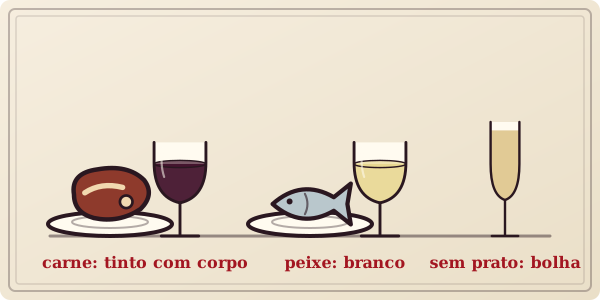
What are you eating? Red meat calls for a red with body; fish and salad, a white; pizza and pasta, a light red or a rosé; barbecue, Malbec and Cabernet. It's not a rule, it's a shortcut: nobody here says “you can't”. No dish? Go with sparkling, which goes with almost everything, including nothing at all.
2. Dry or sweet: decide before you look at the price
The biggest letdown in the aisle is buying the opposite of what you expected. Look for the word on the label: dry, medium-dry or sweet. An import with no warning on the front is almost always dry; in Brazil, the mandatory classification comes on the back label, in Portuguese.
3. Read just four things on the label
Grape, region, vintage and alcohol content. The rest is design. The label-reading guide shows where each one sits. Vintage: for supermarket wine, the younger the better; three years back is a sign of a shelf that hasn't moved.
4. Be wary of the words that mean nothing
“Reservado” is the entry-level wine with a pompous name (in Brazil, the law says almost exactly that: a young wine, ready to drink). “Reserva” means ageing time, and the yardstick changes from country to country (the yardstick is here). “Selecionado” (selected), “Premium”, “Gran” and the gold medal printed on the label (not stuck on) are decoration. What counts is in step 3.
5. Type the name into our search
With the bottle in hand, open What wine is this? and type the name however you can. If it's among the search's 23,000-plus labels (the most-rated from each country), you'll see the grape, the body, what it goes with and the rating from people who drank it, not from a critic. Not there? The missing rating is information too: a very new or very local label.
6. The price range that pays off
Below R$ 30, Brazilian supermarkets have little honest vinho fino (fine wine, the higher legal category); between R$ 40 and R$ 100 sit most of the “good and cheap” bottles from Chile, Argentina, Portugal and southern Brazil (it's the range the Garimpo, our bottle picks, calls “everyday”); above that, the price climbs faster than the quality. The Garimpo is our weekly hunt for the wine that's worth what it costs, with the price seen in the shop.
7. Look at the bottle, not just the label
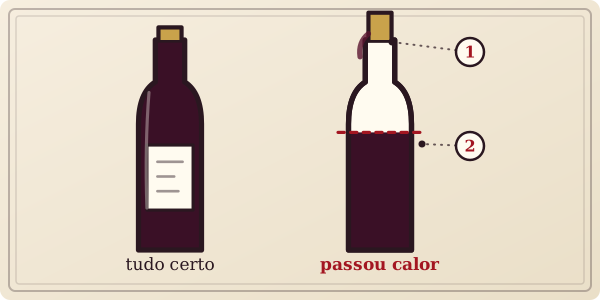
A pushed-up cork, wine seeping through the foil or the level below the shoulder: it's been through heat, leave it. A dusty bottle on the top shelf, facing a sunny shop window: same thing. Wine is food; bad storage spoils it.