Editorial
Wine doesn't have to wait
On Thursday the 19th, Beaujolais Nouveau hit shelves all over the world, on the date French law has set since 1985: the third Thursday of November. This issue comes out the same week and spends the whole month looking ahead to December.
It's a two-month-old red, made to be drunk before Christmas, and every year someone turns their nose up at it: kids' wine, party wine, wine that won't keep. The house thought it was just the right excuse.
Because the holiday bottle causes a panic it doesn't need to. How many to bring has a rule (page 4). The gift has the right question to ask, and the house asks it for you. Brazilian sparkling wine made by the Champagne method is on the shelf all year round; December is just when everyone remembers it. And the idea that good wine is old wine, which has so many people keeping bottles until they're past their best, gets crossed out on page 5.
In October the table put on a show of its own, and it has a name: @juniorbroilo opened eighteen bottles from October 21 on, among them a 2005 Super Tuscan and a 2009 Spanish white, and told the story of each one on Open Bottle. He's already at Reserva, one level above the house's own account. It's on page 7, and it's the best argument for keeping wine, as long as you know which one.
On the site, meanwhile, the search started reading barcodes without asking you to sign up, three thousand wineries got their own page, the Carta de Vinho (restaurant wine lists) reached São Paulo, the Guide gained thirteen parts and the label photo now reads even the back of the bottle. It's all on pages 8 and 9.
No. 4 comes out on Sunday, December 20, four days before Christmas Eve dinner.
It happened · the wine year
Two hemispheres, one month
While Europe was wrapping up the 2026 harvest, Serra Gaúcha was flowering for 2027. Wine runs on two calendars, and November is when they cross.
In the Northern Hemisphere, the 2026 harvest ended in October, and France's numbers brought a little relief: on November 6 the Ministry of Agriculture revised its estimate upward, to 36.7 million hectoliters, 3% above 2025 and still 10% below the average of the last five years. The OIV usually publishes its first worldwide estimates in November; in 2025 they came out on the 12th, and the final figures, in May, came to 227 million hectoliters, the third low-production year in a row. The house will post the 2026 number on the magazine page as soon as the OIV releases it.
In the Southern Hemisphere it's the other way round: the 2027 vintage is being born. In October Serra Gaúcha flowered, with a late frost in some vineyards of early-ripening grapes, and even so Emater saw, at the end of the month, “no signs of significant losses” in the Serra. In the northwest of the state, around Santa Rosa, the berries were already close to full size, but rain during flowering should leave fewer berries per bunch. It's too early to promise anything: between the flower and the harvest lies a whole summer.
What this has to do with your shelf: the wine you buy in December is almost always from last year's vintage or the one before. The vintage on the label tells you what year the grapes are from; the Vintage entry in the glossary explains.
Translation, minus the sommelier-speak: the wine at your Christmas table was already in the bottle before any of these flowers.
Sources: OIV, “2025 World Wine Production First Estimates” (11/12/2025) and “State of the World Wine Sector in 2025” (May 2026) · French Ministry of Agriculture (Agreste), Infos rapides Viticulture no. 143 (11/6/2026) · Emater/RS-Ascar, Informativos Conjunturais no. 1941 (10/15), 1942 (10/22) and 1943 (10/29/2026) · Glossary at vinhozinho.com.br (Vintage).
The reading · the holidays
Christmas Eve dinner in three sums
How many bottles, which gift and which sparkling wine. December's three questions, answered in November, while there's still time.
1 · How many bottles?
The house rule, the same as the Festinha: half a bottle per person who drinks, plus one sparkling wine for every six people who drink, for the toast, always rounding up. A bottle gives five 150 ml glasses (Guide No. 17). For a dinner of ten, with eight drinking: four bottles of wine and two sparkling. The food decides the color: turkey, glazed ham and bacalhau go with white and sparkling more than with the usual red. Water on the table, always: a glass of water between glasses of wine makes for a long evening (the house SOS: vinhozinho.com.br/verdade#hidratacao).
2 · Which gift?
The right question is “how much does this person know about wine”, more than “what's the best wine”. For someone who knows, the house looks among the top 10% rated wines in the world, and that's where the price goes up: under R$ 200, a red at that level with a checked price barely exists. For someone just starting out, a well-known label from a well-known grape, one they'll find again in the store, is worth more. Gift a Wine asks that, plus the occasion, their taste and your budget, suggests three bottles from different wineries and writes the card.
3 · Which sparkling wine?
Brazil makes good sparkling wine, and the method is the same as in Champagne: the second fermentation inside the bottle (Guide No. 12). The difference between brut, extra brut and nature is sugar, and the scale is in Guide No. 18, with a warning: extra dry is sweeter than brut, despite what the name suggests. For the dinner, a brut works from start to finish. Chilling: sparkling wine goes at six to ten degrees Celsius (Guide No. 9), and a bucket of water, ice and salt gets the bottle ready in 15 to 20 minutes (Guide No. 16).
Sources: Festinha, Gift a Wine and Guides No. 9, 12, 16, 17 and 18 at vinhozinho.com.br, with their own sources (Comité Champagne, Cook’s Illustrated, Regulation (EU) 2019/33).
In the glass
Young wine isn't bad wine
Beaujolais Nouveau is two months old and has a date all to itself. The vast majority of wines leave the winery ready to drink.
Every year, on the third Thursday of November, a two-month-old red leaves a region north of Lyon and turns into a party around the world. It's Beaujolais Nouveau, made from Gamay, picked at the end of the European summer, fermented fast, usually by semi-carbonic maceration, the region's tradition (whole bunches, uncrushed, in a closed vat), and bottled before autumn is over. The date has been law since 1985. And 2026 was a year of little Beaujolais: the French Ministry of Agriculture recorded “historically low yields” in the region.
It's light and fruity, to be served cool and drunk before Christmas: it doesn't age, and it doesn't need to. And that's where this month's myth lives, the idea that good wine is old wine. Almost all the wine on the shelf leaves the winery ready to drink, and everyday wine is fine for up to about three years after the vintage. What gains from aging is the minority: reds with plenty of tannin and acidity, high-acid whites, sparkling wines with a long second fermentation, Vintage Port. The glossary calls that a wine for aging, and the one who decides whether it is one is the winery, right at the start.
When keeping a wine pays off, it really pays off, and October gave an example right here at home: @juniorbroilo opened a 2005 Super Tuscan and a 2009 white Gran Reserva, with “plenty of life” (page 7). Both were made for that. This week's Beaujolais wasn't, and it's every bit as much a wine.
Sources: AOC Beaujolais specifications (INAO) · French Code rural, art. D645-17 · Oxford Companion to Wine (wine aging) · Agreste (11/6/2026) · Glossary at vinhozinho.com.br (Aging, Vintage).
Coming up
For your calendar 11/20 to 12/24
- NOV 23Syrah is the grape of the week
Every Monday, a grape in the Guide; after it, Chardonnay (11/30), Cabernet Franc (12/7) and Touriga Franca (12/14).
- NOV 24Carménère Day
It marks November 1994, when French ampelographer Jean-Michel Boursiquot realized that vines planted in Chile as Merlot were a different grape, almost vanished from France. The Carménère page in the Guide tells the rest.
- NOV 27Black Friday
This month's strikethrough is just below.
- DEC 4Cabernet Franc Day
Celebrated since 2015 on the anniversary of the death of Cardinal Richelieu, whom tradition credits with bringing the grape to the Loire. It's the grape of Chinon, most of Cheval Blanc and the mother of Merlot.
- DEC 20Contrarrótulo No. 4
The December issue, four days before Christmas Eve dinner.
- DEC 24
And the OIV usually publishes its first estimates of 2026 world production in November (page 3).
This month's strikethrough
“Was R$ 249, now R$ 99”
→ full price, checked, with a date
On the last Friday of November, the whole shelf wakes up with two prices, one struck through and a “now”. The struck-through one is the one worth checking. The house only publishes a range based on the full price, never the sale price, with the month it was checked next to it: a one-day sale doesn't tell you what the wine costs, it tells you what it cost that day. If Friday's “was” is Thursday's price, the discount is real. If the “was” only showed up the week of the sale, the math doesn't add up: Senacon, Brazil's federal consumer office, calls that an “o dobro da metade” offer (“double of half”).
How to check in ten seconds: in Guide No. 29, the “Is it a real deal?” in the barrel tool asks for the wine and the advertised price, and the house tells you whether it's below, within or above the full price it saw at 17 big stores on November 12. It doesn't point the finger at any store: it only compares with what it saw, with the date.
Sources: French Code rural (Beaujolais Nouveau) · Decanter China, interview with Jean-Michel Boursiquot (1994) · Bordeaux Wine Council and Château Cheval Blanc (Cabernet Franc) · Senacon · grape of the week calendar, Guide No. 29 and the price-range rule at vinhozinho.com.br.
From the table · our reader
@juniorbroilo is already Reserva
Nobody has logged as many bottles on Open Bottle as he has, all since October 21. He even overtook the house's own account, @vinhozinho, which is still at Taça.

@juniorbroilo
Reserva · Founder
He opens what he's kept and what's just come out: a 2009 Gewürztraminer Vinho Velho do Museu, “Impressively alive even after years of aging”; long-aged Brazilian sparkling wine (“36 months of autolysis”, he wrote about the Cave Geisse Extra Brut); and, on the 15th, two from Valmarino, in Pinto Bandeira. And he says what he thought, no ceremony. Cheers, @juniorbroilo, and thank you.
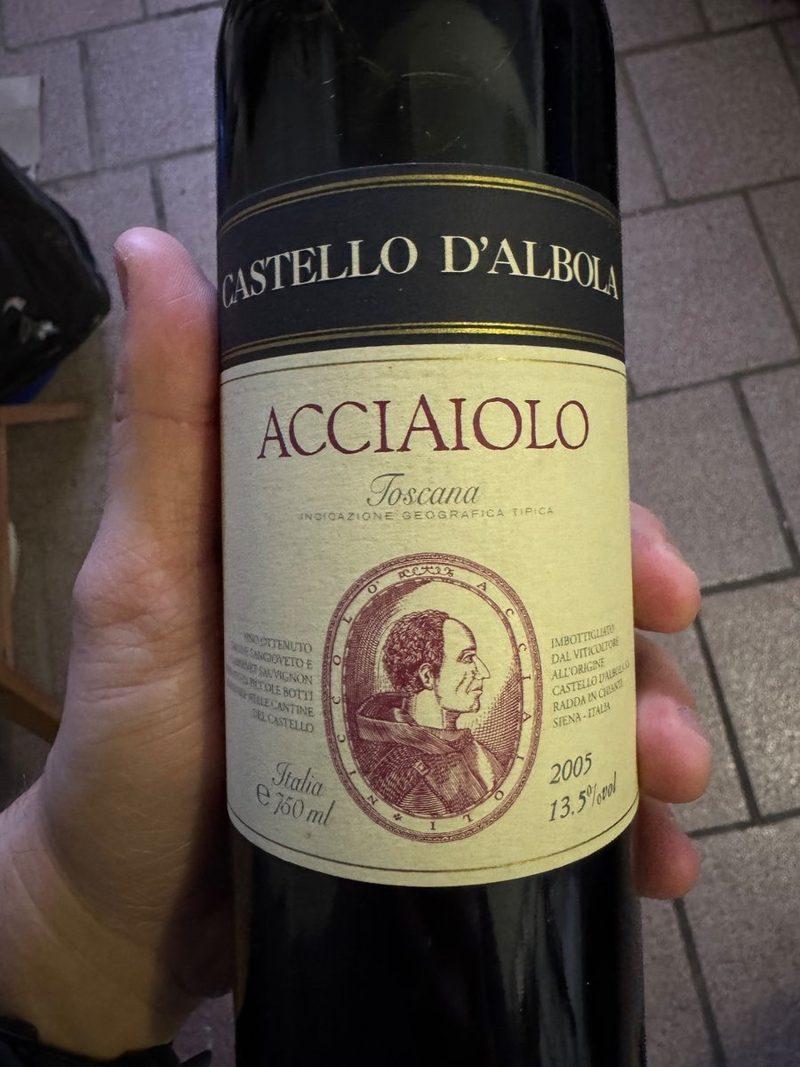
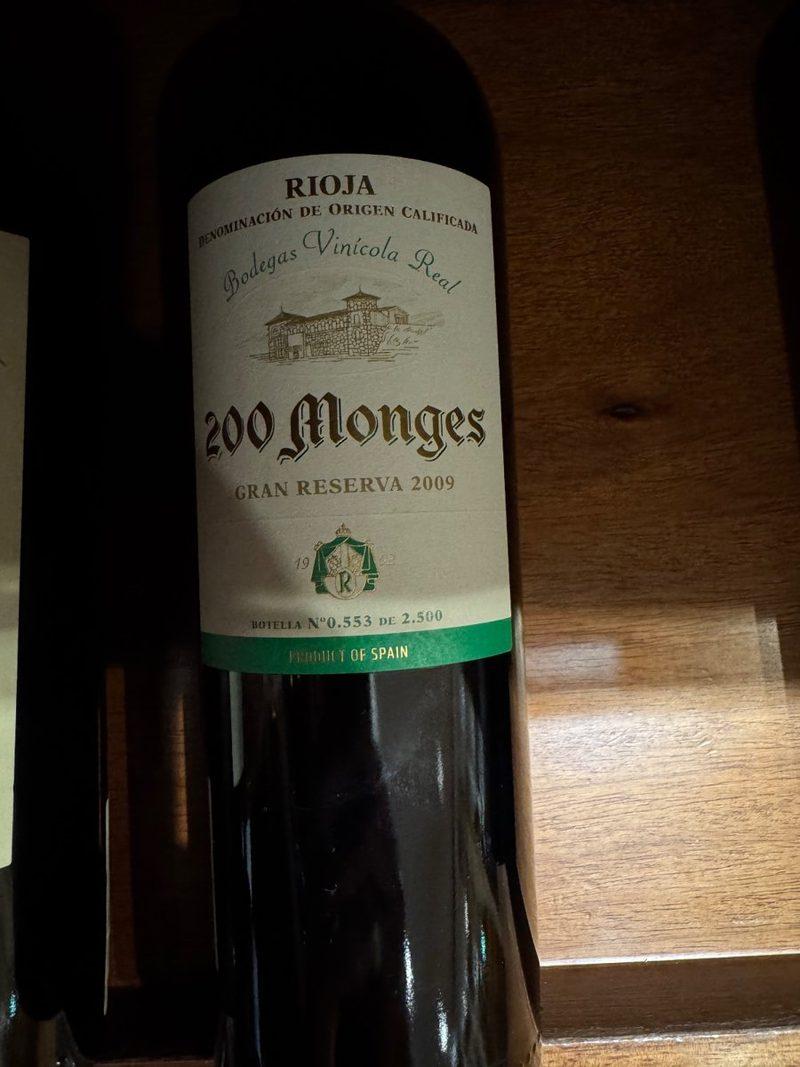
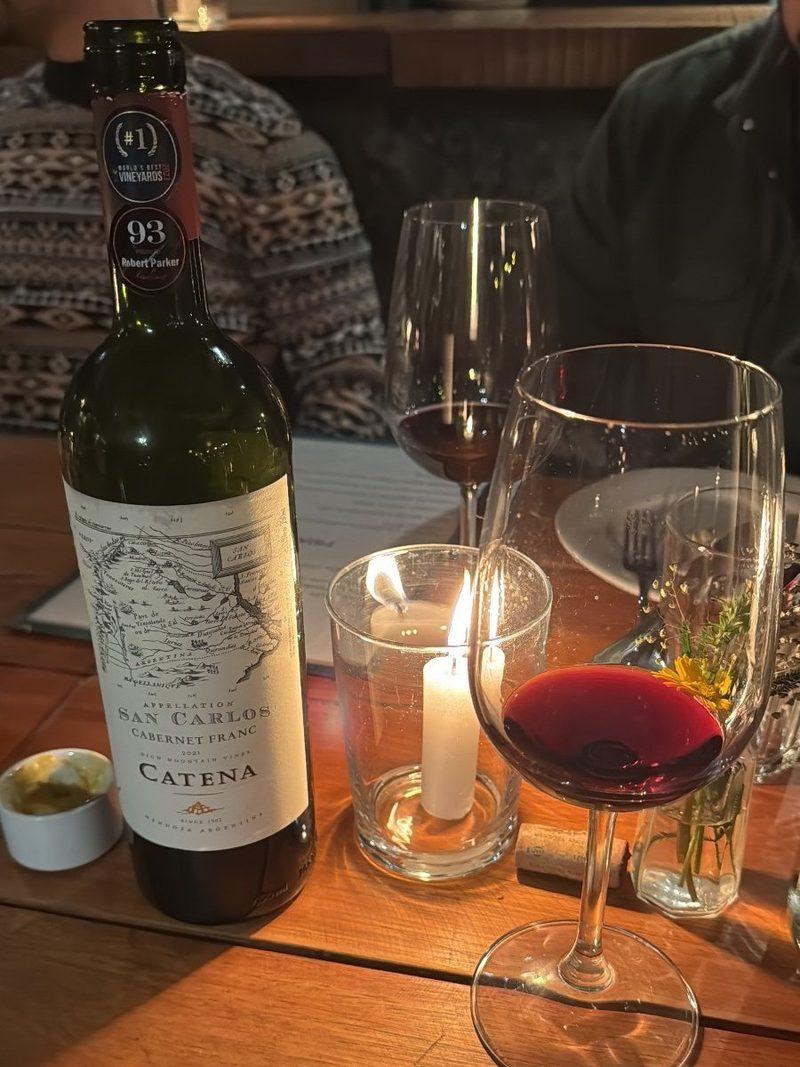
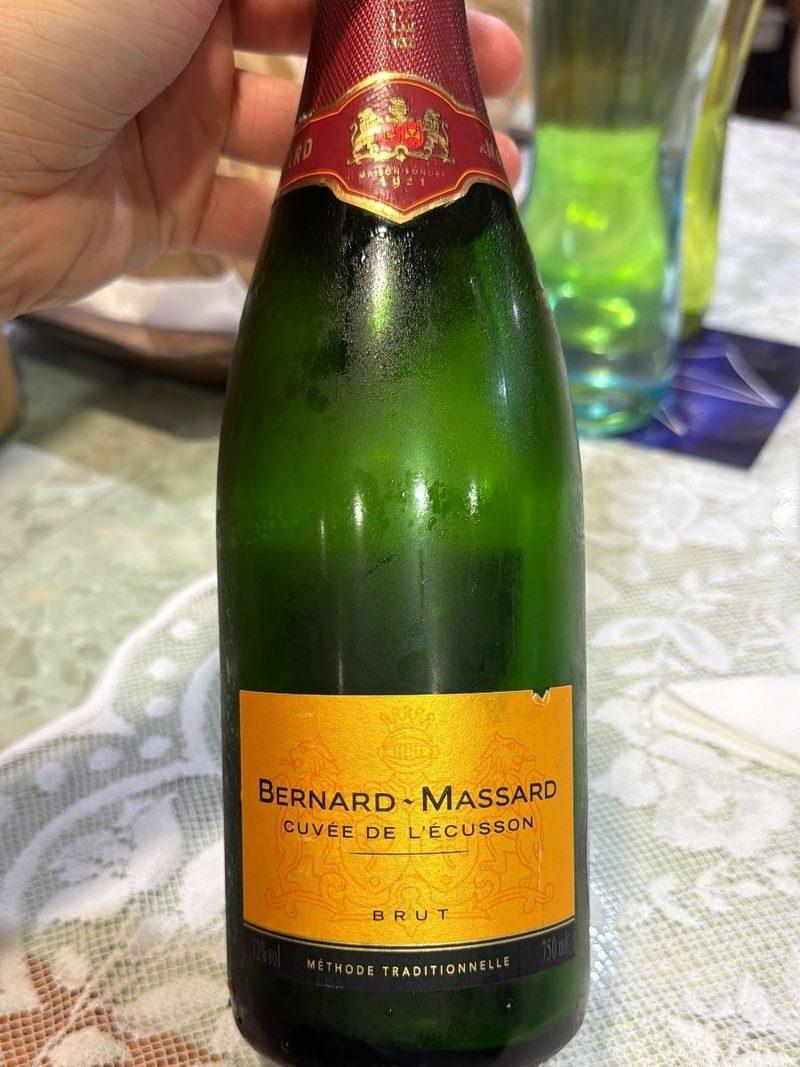
Also opening bottles in October, before him: @andressa, @ale.monteiro and @loren.rezende.
The house drank and stamped
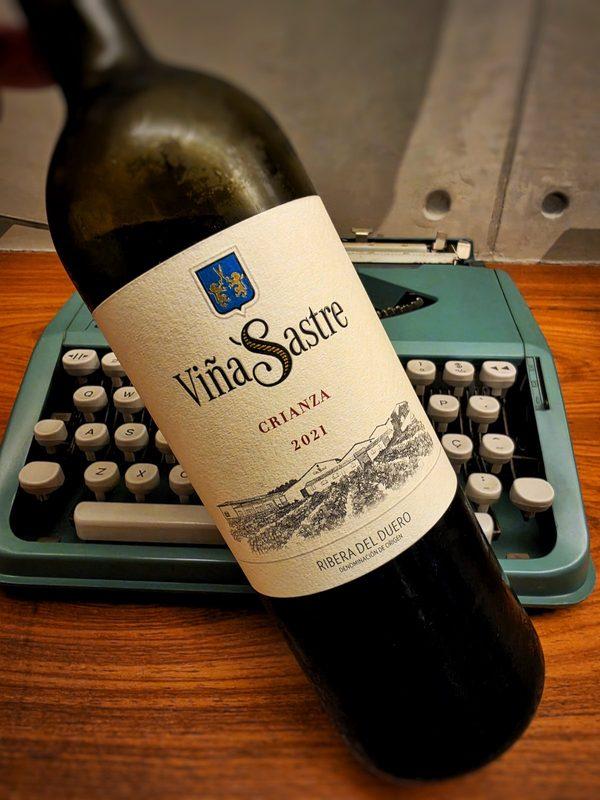
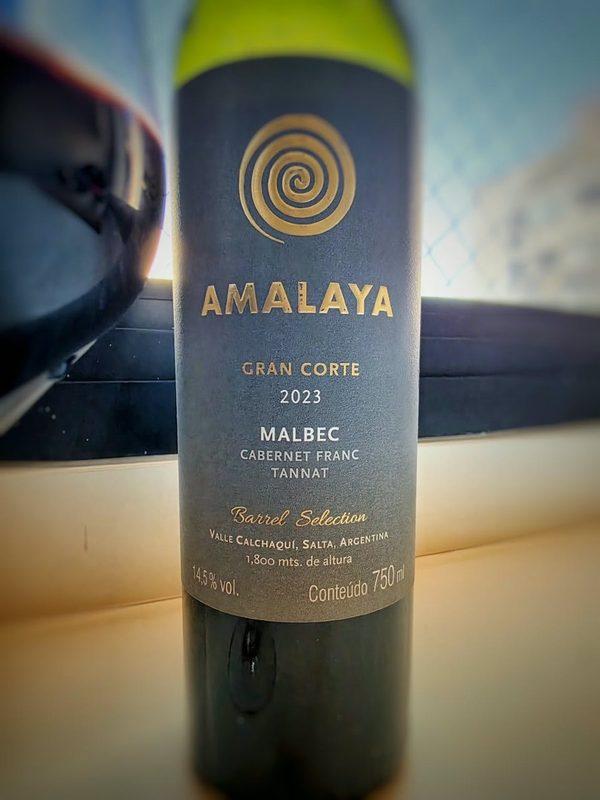
Photos from Open Bottle and the Garimpo; the comments translated from the Portuguese. Price ranges: the Amalaya's checked at an online store on 10/22/2026; the Viña Sastre's, from the Garimpo of 11/14/2026.
The house under construction · 1 of 2
new in this issue
Point it at the barcode.
No sign-up.
The label photo has a daily limit, because it uses the house's artificial intelligence. The barcode uses nothing, and has no limit.
Point the camera
In the wine search, tap “Barcode”. On Android and on a computer, the browser itself reads it; on an iPhone, a house reader steps in, just once. A photo of the code or typing in the numbers works too.
The code becomes a name
The house asks Open Food Facts, an open, collaborative database, and the name that comes back becomes the search across the 50,000 labels. Only the number leaves your device, and it goes through the house's server.
The search finds the wine
And it tells you how sure it is: green, amber or gray.
And the label photo grew up
Three colors
Green: the wine page opens straight away. Amber: “this might be it”, with the look-alike always flagged as a look-alike, and you confirm. Gray: the house doesn't have it, makes a note and lets you know when it's added.
Two a day
Two label photos a day, free, without signing in; with a cellar, ten. My readings keeps every label, and the card to post comes out ready for your story.
The back in the barrel
When the front isn't enough, the house asks for a photo of the back label and completes the reading. Point out the mistake and the house learns.
Your taste
A one-minute test, and with every rating you give, the house gets better at the odds you'll like the wine in the photo. Ratings now go in half stars.
The house under construction · 2 of 2
And there's more
Sorted by what you want to do. All of it free.
I want to find a wine
- Every winery has a page: 3,044 producers from 32 countries, with their labels, average rating, grapes and regions; for almost nine hundred, founding date, town and website from Wikidata. Nobody pays to be there.
- People who liked this also liked: on the wine page, the wines rated highly by the same crowd who drank it. It's not a ranking: it's the same crowd.
- Wine page in the barrel: a much-searched wine without the producer's spec sheet goes in with what's certain and the rest left blank, for anyone who can help fill it in.
- Quick answers on every wine page (“is it good?”, “how much is it?”) and the community rating from the very first rating; the number of people, only above ten.
I want to learn
- Thirteen new parts in the Guide, the questions people ask Google: how many glasses in a bottle, sweet sparkling wine, Tawny or Ruby, Malbec, Merlot or Cabernet, the headache wine, wine with soda (you can), wine for beginners, reading a wine list abroad, how to tell if wine has gone bad, sparkling, Champagne, Prosecco or frizzante, Vinho Verde, the best-rated Brazilian wines and Black Friday wine deals. And the “At the table” shelf, with five dishes.
- Level 2 grew: from 12 to 27 grapes and from 10 to 30 regions, every fact with its source.
- Study without the college: the study path starts with the words, five questions in about three minutes, and /hoje (today) brings together the day's stage, the review and the Label of the Day.
- The usual questions, answered on a single page, and if yours is missing, send it in.
I'm eating out, I'm traveling
- The Carta de Vinho reached São Paulo: 17 restaurant wine lists, wine bars included. With Rio, that's 29. Places that don't publish their list got a page with a button: “I want this restaurant's list here”.
- Plan your wine trip: one question at a time, and the house suggests up to three wine destinations, with the itinerary and the cost as a per-person range. And The wine year tells you what happens each month.
Everywhere
- The whole house one tap away: the Wines · Learn · Games · Cellar bar at the top of every page, and the Explore footer with everything there is.
- Four languages: the search now understands English, and a lean Spanish version was born, made for Argentina and Chile.
For readers only
This issue's comic strip
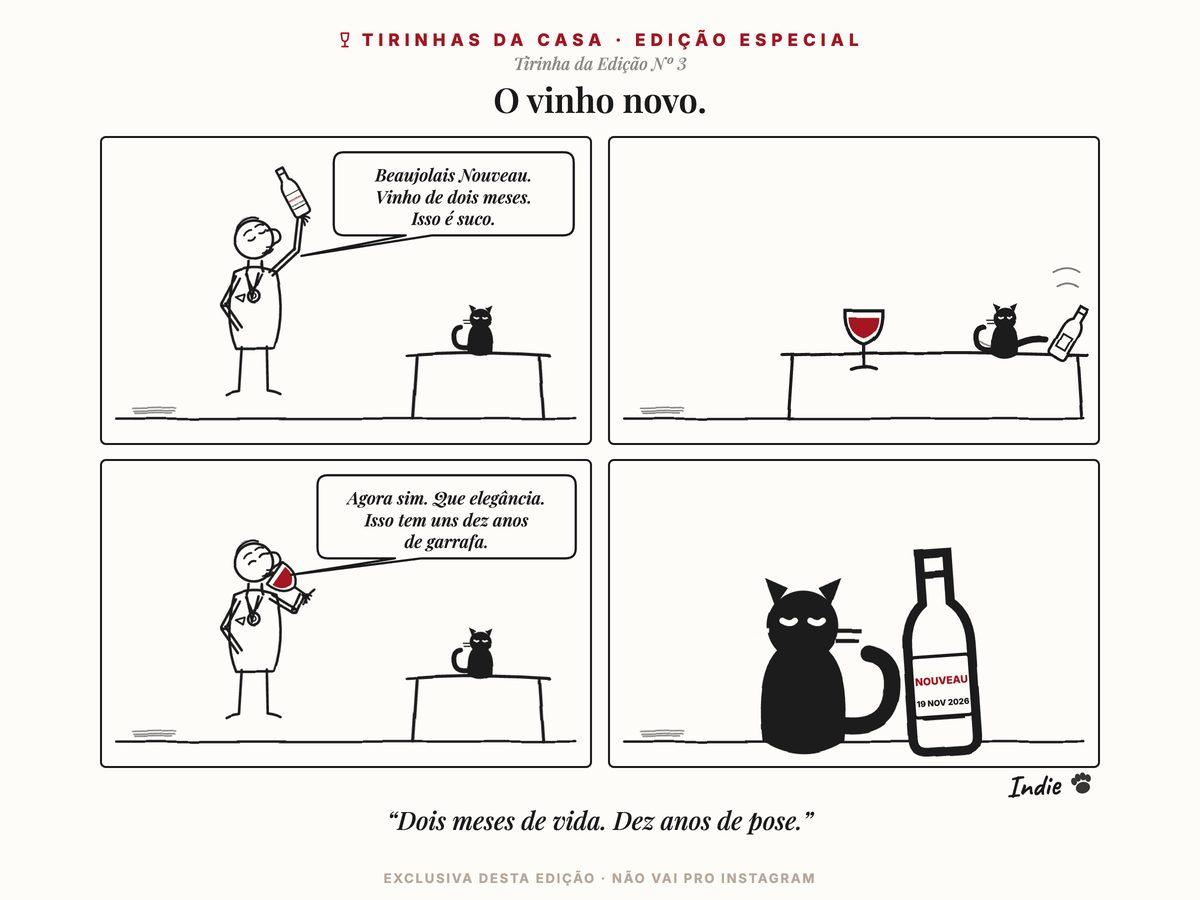
Every Contrarrótulo brings a house comic strip that doesn't go on Instagram. It's a treat for the magazine's readers. The Sunday series carries on at @vinhozinho, with its own numbering; this one has its own and stays only in here.
Spotted something wrong on this page?
Got it, thanks. The house checks the source and fixes it.
“Young wine isn't bad wine.
It's wine without the wait.”
Contrarrótulo No. 3 · November 2026
Content for adults 18+ · Drink responsibly
A vinhozinho.com.br publication, bottled without hurry by Nada S/A
More Wine · Less Fuss · Making wine simple since 2012 · Brazil