The regions · Italy
Veneto: from Prosecco to Amarone, between the Alps and the Adriatic
Veneto is the region of northeastern Italy that's home to Venice and Verona. From it come Prosecco, the sparkling wine of aperitivo hour, and reds like Valpolicella and Amarone, made from grapes that rest for months before becoming wine. There's also an old white, Soave, and a light lakeside red, Bardolino.
Where it is and what the place is like
Veneto stretches from the Adriatic Sea to the foot of the Dolomites, the part of the Alps in northeastern Italy. The wine landscape changes along the way: there are plains near the sea, hills near the mountains and the eastern shore of Lake Garda, near Verona. The lake works like a big air conditioner and makes the Valpolicella's climate milder.
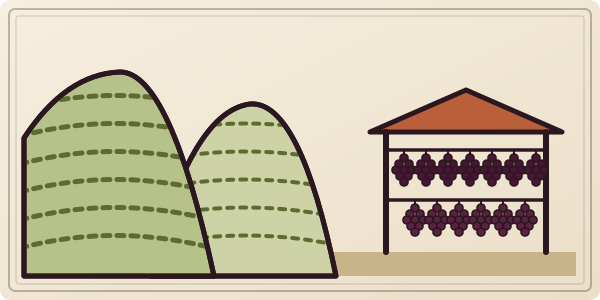
The hills of Conegliano and Valdobbiadene, about 50 km from Venice, are steep, with vineyards in narrow strips on the slopes. In 2019, UNESCO added these hills to the World Heritage list. Farther west, near Verona, Soave grows on hills of volcanic origin, with basalt and limestone, from 50 to 500 meters of altitude.
The region's grapes
Each famous wine has its own grape. Prosecco is made from Glera, a white grape that can take up to 15% of other grapes, such as Verdiso, Bianchetta, Chardonnay and Pinot. Soave is at least 70% Garganega, a white that, according to the consortium, has been in those hills for at least a thousand years, with Trebbiano di Soave or Chardonnay making up the rest.
Among the reds, Corvina is the boss. In Valpolicella, it covers 56% of the vineyards, followed by Rondinella (19%) and Corvinone (18%), all grapes native to the area. Bardolino uses the same crew: Corvina up front, with Rondinella and Molinara.
What wine comes from there
There are bubbles, whites, light reds and age-worthy reds. Prosecco gets its fizz from a second fermentation in a closed tank, the Martinotti method, which keeps the grape's fruit; the consortium recommends drinking it young, by the year after the harvest. Soave is a fresh white, with white flowers and fruit and a finish reminiscent of almonds.
In Valpolicella, the ladder goes from the young, fresh everyday red to Ripasso, fuller-bodied, to Amarone, powerful and dry, and to Recioto, sweet. Bardolino is a light red, low in alcohol, with soft tannin (tannin is that grip on your gums), and Chiaretto di Bardolino is the rosé from the same lakeshore.
What the label says
The Italian ladder applies: DOC (Controlled Designation of Origin) has a zone and rules; DOCG (Controlled and Guaranteed Designation of Origin) is the top step, with tighter controls and a numbered state strip on every bottle. According to the Italian Ministry of Agriculture's list, Veneto has 14 DOCGs and 29 DOCs, counting the ones it shares with neighboring regions, like the Prosecco DOC, split with Friuli. Classico, on the label, means the historic core of the zone. Superiore calls for tighter rules, which vary from wine to wine: in Valpolicella, for example, it's a year of waiting. The names that show up most:
- Prosecco DOC: a large zone, in nine provinces of Veneto and Friuli Venezia Giulia (Treviso, Venice, Vicenza, Padua, Belluno, Gorizia, Pordenone, Trieste and Udine). It comes lightly sparkling, fully sparkling or rosé.
- Conegliano Valdobbiadene Prosecco Superiore DOCG: the historic hills, 15 municipalities, DOCG since 2009. Rive is the hillside vineyard of a single municipality, with the vintage on the label; Cartizze is a 107-hectare subzone in Valdobbiadene. The sweetness scale runs Extra Brut, Brut, Extra Dry, Dry, in that order, from least to most sweet, the same scale as Prosecco DOC: Extra Dry is sweeter than Brut.
- Valpolicella DOC: young red from Corvina and company, in 19 municipalities of the province of Verona. The Classica zone covers the towns and valleys of Sant'Ambrogio, San Pietro in Cariano, Fumane, Marano and Negrar. The Superiore waits at least a year.
- Valpolicella Ripasso DOC: Valpolicella that ferments again on the skins of Amarone and Recioto.
- Amarone della Valpolicella DOCG and Recioto della Valpolicella DOCG: both from dried grapes; Amarone comes out dry, Recioto, sweet.
- Soave DOC and Soave Superiore DOCG: the Garganega white from east of Verona. Soave Classico comes from the municipalities of Soave and Monteforte d'Alpone. Recioto di Soave, from dried Garganega, was Veneto's first DOCG.
- Bardolino DOC and Chiaretto di Bardolino: light red and rosé from the eastern shore of Lake Garda.
What it pairs with
Prosecco is the aperitivo wine: coxinha (chicken croquette), pastel (fried pastry), salt cod fritters, pão de queijo, and Friday-night pizza too. Soave goes with fish, chicken and, according to the consortium itself, even sushi. Bardolino, a light red, takes on pasta with tomato sauce, pizza, risotto and fried food; in hot weather, it can go a bit colder. Ripasso goes with barbecue, cold cuts and semi-cured cheese. Amarone calls for pot roast, cozido (a meat and vegetable stew), roast kid goat and well-aged cheese, or a solo sip at the end of the night. And Recioto, sweet, closes out with chocolate cake. All suggestions: liked another pairing? Go with that one.
The grape that rests before becoming wine
Amarone's secret is appassimento, the Italian word for drying grapes. After harvest, the bunches rest for 100 to 120 days in airy rooms, the fruttai. The grapes lose water and concentrate sugar and the substances in the skin. Only in winter do they go into fermentation, which is slow and runs all the way: the sugar turns into alcohol, and out comes a high-alcohol dry red that spends a good while in wood and lasts for decades.
The same dried grapes give rise to Recioto, which the consortium calls Amarone's ancestor: fermentation is stopped halfway, sugar is left over, and the wine comes out sweet. And what's left in the tank gets used too. In Ripasso, young Valpolicella is passed again over the skins left from Amarone and Recioto, ferments once more and gains body and alcohol. It's the middle sibling of the family.
The grapes in the labels from here
Across the 800 Veneto labels in the search, the grapes that show up most. The number is how many labels use each one.
Top rated from Veneto
Average rating from the people who drank it (X-Wines), from 1 to 5. Tap to see the wine's page.
- Quintarelli Giuseppe Amarone della Valpolicella Classicorating ★ 4.8
- Quintarelli Giuseppe Recioto della Valpolicella Classicorating ★ 4.8
- Dal Forno Romano Amarone della Valpolicella Monte Lodolettarating ★ 4.8
- Zýmē La Mattonara Amarone della Valpolicella Classico Riservarating ★ 4.8
- Stefano Accordini Vigneto Il Fornetto Amarone della Valpolicella Classico Riservarating ★ 4.8
- Brunelli Campo del Titari Amarone della Valpolicella Classico Riservarating ★ 4.7
- Quintarelli Giuseppe Veneto Alzero Cabernetrating ★ 4.7
- Bussola Amarone della Valpolicella Classico Vigneto Alto TBrating ★ 4.7
See the Veneto labels in the search →
Spotted something wrong on this page?
Got it, thanks. The house checks the source and fixes it.