No-Fuss Guide · No. 2
Vinho fino or vinho de mesa (and frisante): what each name means under Brazilian law
In Brazil, these names aren't back-label poetry: they're categories defined by law. Knowing the difference changes how you buy.
Vinho fino (fine wine)
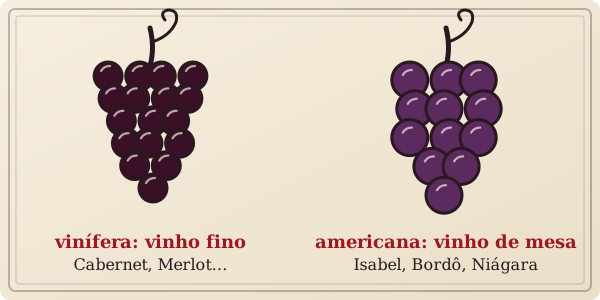
By legal definition, vinho fino (fine wine) is wine made from vinifera grapes, the classic European varieties (Cabernet, Merlot, Chardonnay and company). It's the category of most of the wines “with a proper label” that you see in rankings and awards.
Vinho de mesa (table wine)
Vinho de mesa (table wine) is made from American or hybrid grapes (Isabel, Bordô, Niágara, the same families as grape juice and table grapes), and it may have some vinifera in the blend. It's the most widely drunk wine in the country, the one in the pizzeria jug and at grandma's house. It isn't “worse wine”: it's a different category, a different idea and a different price. The fuss is thinking it owes anyone an apology.
Frisante (semi-sparkling wine)
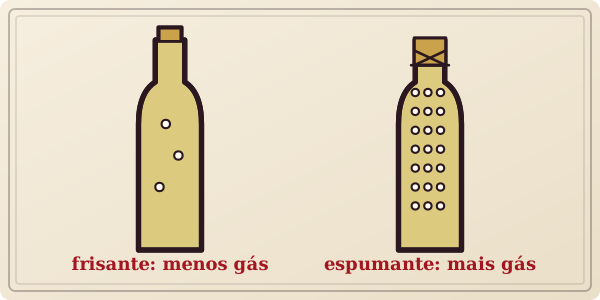
The bubbly middle ground (think semi-sparkling): it has gas, but less pressure than a sparkling wine; the law sets the ranges. Light, easy, usually cheap. A great way in for anyone who likes bubbles without ceremony.
Espumante (sparkling wine)
Higher gas pressure (set by law) from a second fermentation: traditional method (Champenoise) or tank (Charmat). It's the category where Brazil shines brightest on the world stage: Brazilian sparkling wine is a point of pride, not a caveat.